
What’s the biggest misconception people have about leaving the tax system legally?
What’s the biggest misconception people have about leaving the tax system legally?
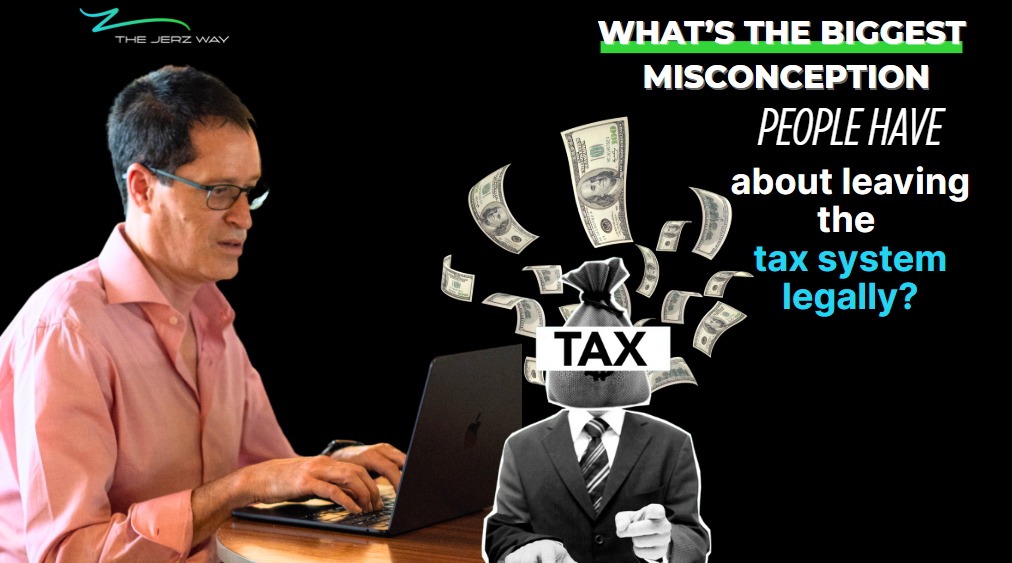
Separating Fear from Facts About Legal Tax Reduction
Thinking about moving abroad or changing your tax residency, but worried you’ll end up in handcuffs or lose your passport? You’re not alone. The idea of exiting your home country’s tax system sends shivers down the spines of entrepreneurs and remote workers alike. But here’s the truth: with the right knowledge and a smart plan, you can cut your tax bill legally, and sleep better at night.
Many Believe Legal Tax Reduction = Tax Evasion
Why this myth just won’t die
Most folks hear “pay less tax” and immediately think of criminals hiding money in Swiss banks or shady shell companies in far-off islands. But tax reduction is perfectly legal when you use deductions, exemptions, or change your tax residency according to the rules. For example, writing off legitimate business expenses like your home office or travel to client meetings can lower your taxable income without a hint of wrongdoing.
Exiting the Tax System Is Often Perfectly Legal
But you need to follow the right steps
Thousands of entrepreneurs and freelancers move abroad every year and legally cut ties with their home country’s tax system. For instance, if you’re a Canadian who sells your primary home, closes local bank accounts, and establishes a permanent residence abroad, you can become a non-resident for tax purposes. But skipping paperwork or keeping too many residential ties could land you in hot water.

International Residency Unlocks Legal Tax Strategies
Location matters more than you think.
By becoming a legal resident of a country with no or low income taxes, like Paraguay or Panama, you can slash your tax bill significantly. Imagine an online consultant earning six figures who relocates to Panama with a Friendly Nations Visa—suddenly their global income may no longer be taxed by Canada or the U.S. if they’ve properly exited.
International residency is a game-changer when done right
Foundations and Companies Can Supercharge Your Tax Planning
Powerful tools for proactive taxpayers
When you set up a company in a business-friendly country, you can deduct expenses like advertising, equipment, or contractor payments reducing your tax bill dramatically. Or, if you create a foundation, you may qualify for charitable status, which gives you deductions on donations and allows you to support causes you care about. These strategies work whether you’re freelancing, investing, or building a global brand.

Tax Treaties Are Your Secret Weapon
Leverage agreements between countries
Countries sign tax treaties to prevent double taxation on the same income, helping you avoid paying tax twice on your earnings. For instance, if you live in Portugal and earn royalties from Canada, a tax treaty may let you pay tax only in one place.
Using tax treaties correctly can save you thousands each year and keep you on the right side of the law
Myths About Citizenship Loss Are Just That Myths
You don’t have to surrender your passport
Many people panic that leaving their home country’s tax system means losing their citizenship, but that’s almost never the case. For example, a Canadian can move abroad, become a non-resident for tax purposes, and keep their Canadian passport without issue. Exiting the tax system and giving up citizenship are two totally separate legal processes.
Ready to Architect Your Global Freedom & Tax Sovereignty?
Watch our full conversation: “Become the Architect of Your Own Global Freedom & Tax Sovereignty With Jerz in 2025.”
In this deep-dive interview, we unpack everything from second residencies in Paraguay to smart tax strategies that keep your passport safe and your money working for you.
The Real Risk? Doing Nothing or Filing Incorrectly
Inaction is your enemy
Most tax nightmares come from ignoring deadlines, failing to declare assets, or filling out forms wrong. For example, if you don’t report selling your home before becoming a non-resident, the CRA might treat it as a taxable sale with hefty penalties.
Staying proactive with your filings and updates keeps you safe
Friendly Nations Visa: The Tax Optimizer’s Golden Ticket
Especially in Panama and similar jurisdictions
Panama’s Friendly Nations Visa lets entrepreneurs and digital nomads quickly gain residency with minimal bureaucracy. By moving there, you can break residential ties with high-tax countries and enjoy near-zero income tax on foreign earnings.
Thousands of expats have used this visa to legally and dramatically reduce their taxes

Capital Gains: The Hidden Trap for Emigrants
Your house or investments can bite you
When you leave your home country, many governments apply “deemed disposition” rules pretending you sold assets at market value when you left, which can trigger capital gains tax. For example, if you have stocks that went up in value, your country might tax that gain even if you haven’t sold them. Planning your exit carefully helps avoid these painful surprises.
Transparent Filing Keeps You in the Clear
Openness beats clever tricks
Trying to hide income or assets might seem tempting, but it’s the fastest way to risk audits, fines, or criminal charges. By accurately declaring your income, property, and new tax residency, you show tax authorities you have nothing to hide. Tools like EFILE or NETFILE make transparency easier and protect you from headaches.

Crypto & Digital Nomads: The Untapped Tax Opportunity
Why your digital wallet and your passport could be the perfect combo
If you’re a digital nomad earning in crypto, you might already know how flexible life can be but did you know where you live could make or break your tax bill on those coins? For example, many countries don’t tax foreign-sourced crypto gains if you’re a legal resident. Places like Portugal, El Salvador, or Panama (with proper planning) can mean paying zero capital gains on your crypto profits.
By combining international residency with smart crypto strategies, like timing your sales when you’re already a non-resident, you could legally avoid massive tax bills in your old home country. And for digital nomads who earn in Bitcoin, Ethereum, or stablecoins, setting up a company abroad can let you pay yourself in crypto while staying compliant.
The digital nomad lifestyle isn’t just about working from a beach.
It’s about optimizing your tax situation to keep more of your earnings, whether those earnings are in dollars or digital assets
Ready to Legally Lower Your Taxes?
Book a free consultation with our tax strategists today and find out how to exit the tax system the right way, no myths, no fear, just proven strategies.
👉 Schedule Your Consultation Now

Want to go deeper on living tax-free and building an international lifestyle? Start here:
- The Paraguay Loophole: How to Pay Zero Taxes as a Nomad
Learn how Paraguay’s residency program lets you legally live abroad and pay no income tax while keeping a flexible lifestyle. This guide walks you through the process step by step. - How to Get a U.S. Bank Account Without a U.S. Address
Opening a U.S. bank account as an expat or non-resident can seem impossible—but it’s not. This article shows exactly how to do it legally and easily, so you can run your business globally. - Living in Latin America: Low Taxes, High Lifestyle
Discover why Latin America is a magnet for expats who want to stretch their income, enjoy rich cultures, and benefit from friendlier tax systems. We break down the best countries and what life is really like.
Follow Us for Daily Tips
Stay connected and get daily insights on living tax-free, second residencies, and more:
Subscribe to our emails
Subscribe for strategic insights on international tax planning, asset protection, and global structuring.